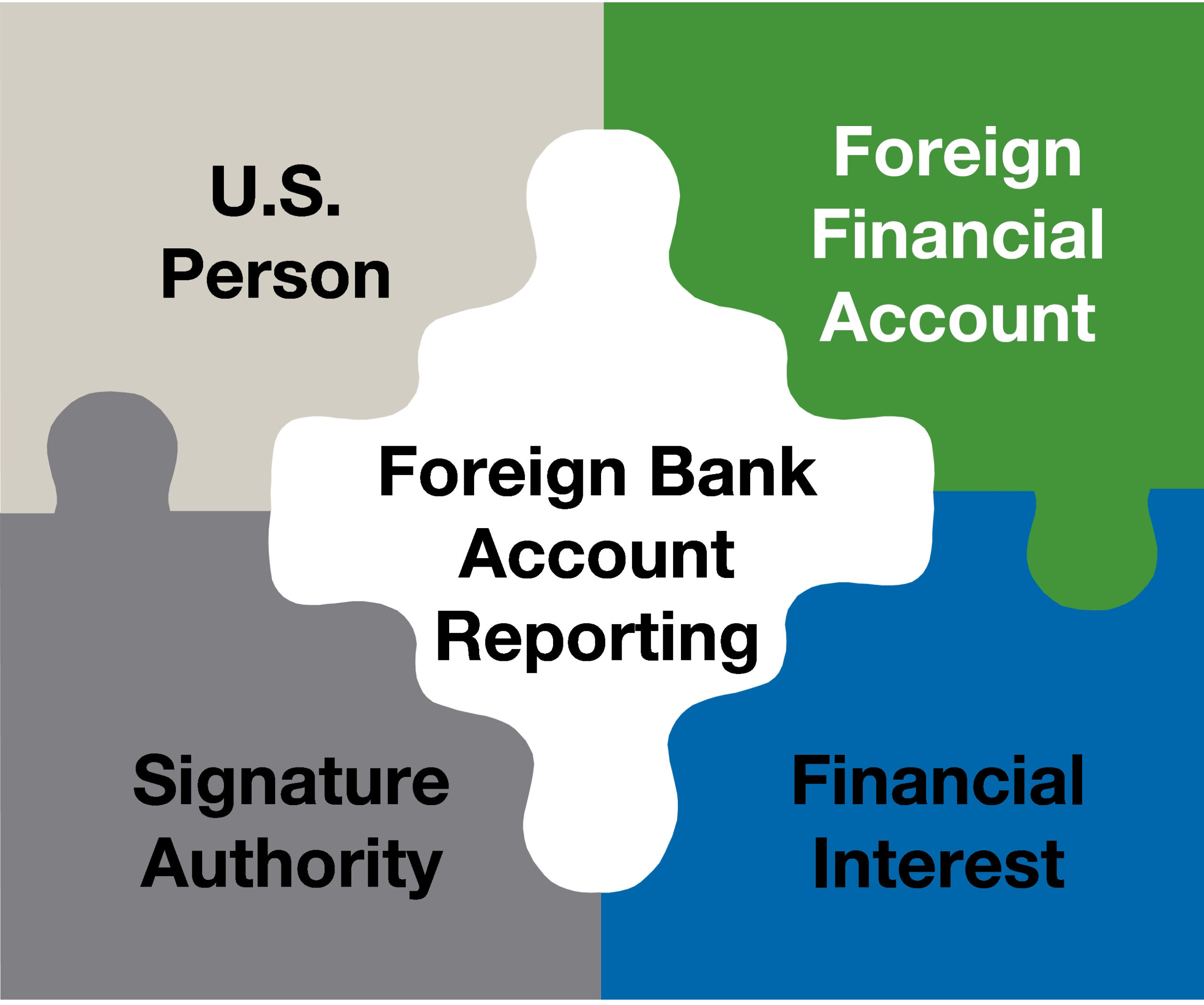

FATCA reporting is something you really need to pay attention to when you have foreign bank accounts and investments in other countries. You have to tell the government about the things you own in other countries by filling out Form 8938. This form needs to be sent in with your tax return to the government when the value of your foreign things is more than a certain amount.
If you make mistakes when you are reporting your assets or if you send in your forms late, you can have problems with the IRS that you could have easily avoided.
The blog post has the FATCA filing process to follow, which will help you with your FATCA reporting and make it easier for you to know what you are supposed to do with your FATCA reporting.
What Is FATCA and Why It Matters in 2026
FATCA stands for the Foreign Account Tax Compliance Act. It’s a U.S. law that tells certain taxpayers to report their foreign financial assets to the IRS on Form 8938, but only when those assets go over specific dollar limits.
It matters more in 2026 because IRS data matches from foreign banks are ramping up, triggering audits faster than before on unreported holdings.
Who Must File Under FATCA Reporting Requirements?
FATCA makes certain U.S. taxpayers file when their foreign financial assets exceed specific dollar amounts.
- U.S. Taxpayers Living in the United States: Single people file when assets are over $50,000 at year-end or $75,000 anytime during the year. Married couples filing jointly use $100,000 year-end or $150,000 maximum.
- U.S. Expats and Dual Citizens: Dual citizens follow U.S. resident rules if living in the U.S., or expats follow foreign resident rules if living overseas. Single expats report above $200,000 year-end or $300,000 maximum. Joint filers report above $400,000 year-end or $600,000 maximum.
- Specified Individuals and Certain Entities: Trusts, estates, and companies with significant U.S. ownership report when their foreign assets cross the minimum thresholds for their type of structure.
FATCA Filing Deadlines for 2026
You need to file Form 8938 with your income tax return. There is no need to send it separately. So the FATCA deadline is the same as the deadline for your tax return.
Here are the important dates for 2026 tax returns that cover the tax year 2025:
- April 15, 2026: This is the deadline for people who live in the United States.
- June 15, 2026: If you live outside the United States, you can get a two-month extension. Remember, you will still have to pay interest on any tax you owe after April 15.
- October 15, 2026: You can get time to file your tax return if you file Form 4868 on time. This does not mean you can delay paying the tax you owe.
The best thing to do is pay any tax you owe by April 15. This way, you can keep the interest and penalties as low as possible. FATCA filing deadlines are important, so make sure you remember the FATCA deadline for your tax return.
Step-by-Step FATCA Filing Process
Handle FATCA reporting in a clear, step-by-step way. When you organize the information right from the start, filing turns out much simpler and less prone to mistakes. The steps below take you through the exact sequence.
Step 1: Identify Reportable Foreign Assets
Start by making a list of all foreign financial assets you held at any point during the year.
Specified foreign financial assets typically include:
- Foreign bank accounts
- Foreign brokerage accounts
- Foreign mutual funds
- Foreign-issued life insurance with cash value
- Interests in foreign entities
- Foreign partnership interests
- Certain foreign pensions
- Foreign stock held outside a U.S. brokerage
Assets held through a U.S. financial institution generally do not count, even if the underlying investment is foreign.
You must determine:
- Maximum value during the year
- Value on the last day of the year
All values must be converted into U.S. dollars using year-end Treasury exchange rates.
Step 2: Determine Whether You Meet the Filing Threshold
Once you have the values calculated, compare those totals against the threshold that matches your filing status and residency.
You must look at:
- Total value on the last day of the year
- Highest total value at any point during the year
If either number exceeds the threshold, you need to file Form 8938.
This is a straightforward math check, not a judgment call.
Step 3: Complete Form 8938
Form 8938 breaks down into sections that ask for:
- Description of each asset.
- Maximum value during the year.
- Income generated from the asset.
- Whether the asset shows up elsewhere (like Schedule B, Form 5471, 8865, etc.)
Accuracy counts here. Asset descriptions need to line up with your supporting documents. Values must match any income you reported.
Incomplete reporting can bring IRS letters asking for more details.
Step 4: Attach Form 8938 to Your Federal Tax Return
Form 8938 goes in with:
- Form 1040 (for individual returns), or
- Whatever other return applies to your situation
It is not mailed separately and does not go to FinCEN.
If you are filing electronically, include Form 8938 right in the e-file package.
Step 5: File Before the Applicable Deadline
Double-check that:
- All required schedules are attached.
- Exchange rate conversions are correct.
- You meet the filing deadline (April, June, or October if extended.)
Late filing can lead to penalties starting at $10,000, even if no tax is owed.
| FATCA Compliance Checklist for 2026Before you send in your return, go through this list point by point:All foreign financial accounts and assets have been reviewed.The maximum value during the year and the year-end value have been calculated.Currency conversion has been applied consistently using accepted exchange rates.Income related to foreign assets is properly reported on the tax return.Form 8938 is fully completed, with no missing fields.Form 8938 is attached to the federal tax return before filing.Supporting documents and statements are retained for records.This checklist helps confirm everything lines up right before you submit; it doesn’t replace the filing steps outlined earlier. |
What If You Missed FATCA Filing in Previous Years?
If you needed to file Form 8938 but didn’t, the IRS can hit you with a $10,000 penalty for each year missed. Things get worse if you ignore their notices later on. And if income from those foreign assets went unreported, too, expect back taxes, interest, and extra accuracy penalties piled on top.
How you fix it depends on your exact situation.
- Late filing with reasonable cause: When the mistake wasn’t on purpose, and no income was overlooked, send in the missing Form 8938 with an amended return. Add a simple written explanation about why it happened. If the IRS buys your reason, they often let the penalty slide.
- Streamlined filing procedures (non-willful cases): If foreign income stayed off the books, use the IRS streamlined option if you qualify. File amended returns for the years in question, pay what you owe plus interest, and sign a statement saying it wasn’t intentional. Penalties might still apply based on where you live.
- Voluntary disclosure (willful or high-risk cases): For intentional misses or if the IRS has already reached out, go through their formal voluntary disclosure process. Lay out all the past slip-ups, pay taxes, interest, and civil penalties, and follow their steps closely.
Foreign banks send your account details straight to the IRS these days, so putting off fixes just raises your chance of getting a notice or facing enforcement. Take a close look at old years before filing anything late.
How an International Tax Attorney Can Help With FATCA Compliance
FATCA compliance goes beyond just filling out Form 8938. When foreign assets, income from them, or old filings come into play, mistakes can lead to real legal trouble. At that point, regular tax prep often falls short.
At Verni Tax Law, Anthony N. Verni takes care of FATCA and international reporting cases himself. As a tax attorney with CPA and MBA credentials, he helps individuals and businesses sort out tough IRS and cross-border tax issues.
Get your case reviewed before you file Form 8938 or fix earlier returns. Reach out to Verni Tax Law to go over your reporting duties and what comes next.
FAQs
What is the FATCA filing process?
The FATCA filing process means reporting certain foreign financial assets to the IRS using Form 8938. You do it as part of your regular annual federal tax return.
The FATCA filing process usually goes like this:
- Reviewing all foreign financial accounts and assets you held during the year
- Figuring out if the total value goes over the reporting limit that applies to you
- Filling out Form 8938 with the right details and values for each asset
- Attach the form to your federal tax return before you send it in
It always goes with your income tax return, never as a standalone filing.
What are the FATCA reporting requirements for 2026?
FATCA reporting rules for 2026 cover certain U.S. taxpayers holding specific foreign financial assets that go above IRS limits. If your assets hit or pass the limit based on your filing status and where you live, report them on Form 8938 along with your 2025 federal tax return filed in 2026. The focus stays on showing the assets exist, what they’re worth, and any income they brought in.
What is the FATCA filing deadline in 2026?
Your FATCA filing deadline matches your federal income tax return deadline. For most people, that lands on April 15, 2026. If you live abroad, you get an automatic extension to June 15, 2026, and you can ask for more time until October 15, 2026, by submitting Form 4868. Send Form 8938 with your tax return by whatever deadline fits you.
How do I file FATCA using Form 8938?
To file FATCA with Form 8938, first make sure your foreign assets reach the reporting limit. Once they do, the steps include:
- Listing each foreign asset you need to report.
- Showing the highest value it reached during the year.
- Noting any income it generated.
- Attach Form 8938 to your federal tax return.
File it together with your return, either electronically or by mail. It does not go out on its own.
What happens if I miss the FATCA filing deadline?
Miss the FATCA deadline, and the IRS can charge a $10,000 penalty per year for not filing Form 8938. It adds up more if you still don’t file after they notify you. When foreign income from those assets goes unreported, too, back taxes, interest, and accuracy penalties come into play. Go over late filings carefully before sending them to cut down on extra risks.
What is included in a FATCA compliance checklist?
A FATCA compliance checklist makes sure you cover every reporting requirement before you file.
It usually covers:
- Confirming you found all foreign financial assets.
- Double-checking the maximum and year-end values came out right.
- Making sure currency conversions stay consistent.
- Verifying foreign income shows up correctly on the return.
- Ensuring Form 8938 is filled out completely and attached to the return.
Think of the checklist as your final check before submitting the tax return.
Do I need to file FATCA and FBAR together?
FATCA reporting stands apart from FBAR reporting. You report FATCA on Form 8938 with your tax return, while FBAR goes electronically to FinCEN on its own form. Depending on your foreign accounts’ type and value, you might file just one, both, or skip them entirely. Each follows its own limits and rules.